UNIVERSEH
  • Home
  • Get support
  • More
English ‎(en)‎
Deutsch ‎(de)‎ English ‎(en)‎ Français ‎(fr)‎ Italiano ‎(it)‎ Lëtzebuergesch ‎(lb)‎ Polski ‎(pl)‎ Svenska ‎(sv)‎
Log in
UNIVERSEH
Home
Get support
  1. Site pages
  2. Dictionary of Space Concepts

Dictionary of Space Concepts

Back

Constellation

(Last edited: Tuesday, 29 August 2023, 5:32 PM)

Term/Concept: 

constellation

Image/Video/Audio:

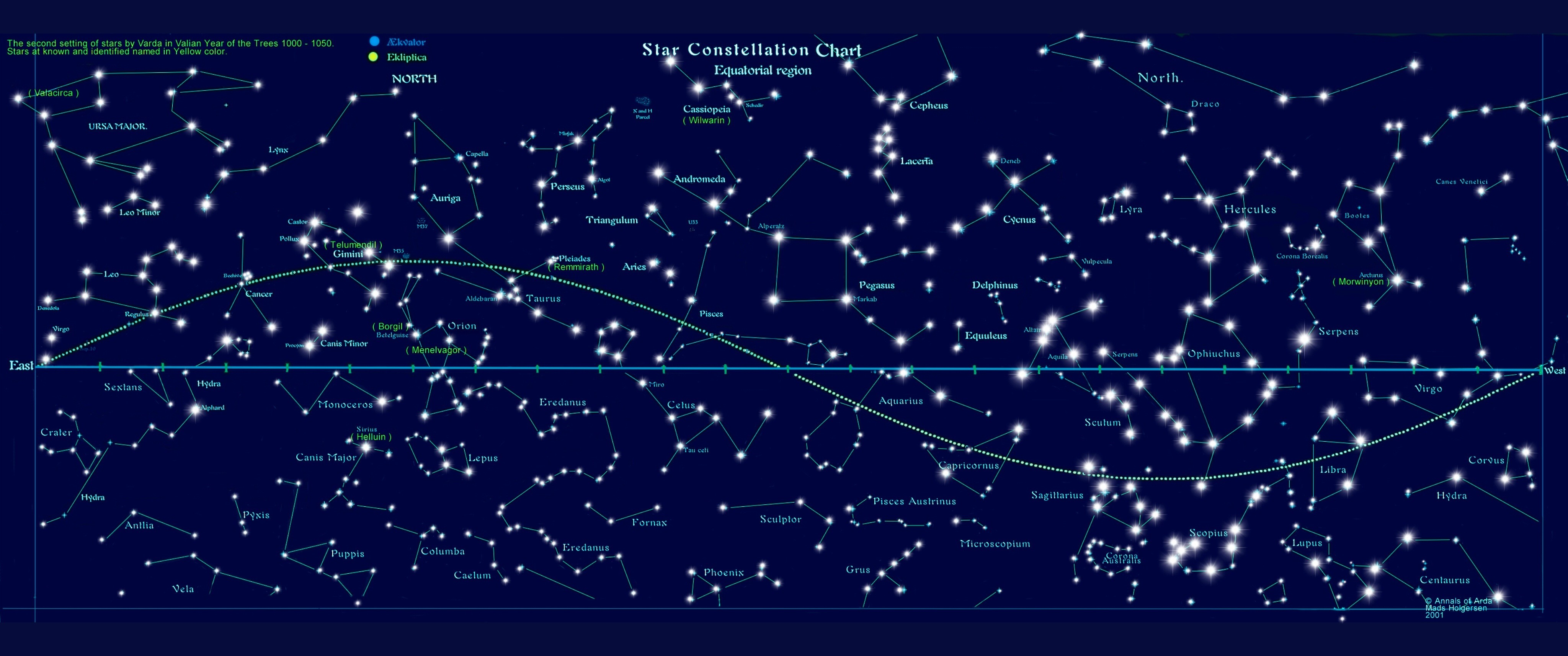
Term/Concept: constellation Image/Video/Audio: Image/Video/Audio Source: Sullivan, R. (2017, June 12). Constellations map. flickr. https://www.flickr.com/photos/47430793@N08/35249283965

Term/Concept: constellation Image/Video/Audio: Image/Video/Audio Source: Sullivan, R. (2017, June 12). Constellations map. flickr. https://www.flickr.com/photos/47430793@N08/35249283965

Short Definition:

A constellation is a group of stars that are always seen together in the same shape, no matter where they are observed. They are mostly named after animals, mythological subjects or inanimate objects.


Detailed Definition:

The constellations seen from Earth vary by location and season. For example, the constellation Leo seen in the Northern Hemisphere in February will appear in the eastern sky and move higher. However, in the Southern Hemisphere at the same time, it will appear upside down, low in the northeastern sky, and moved westward.

The origin of the constellations dates back to prehistoric times. They were early recognized and named by various cultures, until 1922, when the International Astronomical Union approved 88 of them.

There are star systems named asterisms, which are called constellation derivatives of some kind. They are, unlike their older brother, unofficial, but are also used by astronomers to navigate the sky. 

One of the most famous constellations is Ursa Major, also known as Great Bear, which includes the Big Dipper, one of the most famous asterisms (groups of stars in the sky).


Etymology:

constellation - from Latin constellacio (a set of stars) 


Sample Sentence(s):

Astrology is based on western zodiac that is made of 12 constellations resembling zodiac signs.

The brightest star in the Leo constellation is called Regulus.


Translations of Terms/Concepts into Partner Languages [Multiple fields for entering the translation of the term in each partner language, additional languages can potentially be added, e.g. Russian, Chinese, Portuguese]

French: 

la constellation


German:

das Sternbild


Polish:

konstelacja


Swedish:

konstellation


Links to Videos/Articles:

https://www.planetguide.net/leo-constellation/

https://spaceplace.nasa.gov/constellations/en/

https://earthsky.org/astronomy-essentials/definition-what-is-a-constellation-asterism/

https://en.wikipedia.org/wiki/Ursa_Major

https://en.wikipedia.org/wiki/Constellation


» Dictionary of Space Concepts

Tags:
  • constellation
  • regulus
  • zodiac sign
  • asterism
  • ursa major
◄ Site announcements
You are not logged in. (Log in)
Powered by Moodle
UNIVERSEH is an alliance of:
Université de Toulouse logo AGH logo UDUS logo LTU logo Uni.lu logo UNamur logo Tor Vergata logo

Co-funded by European Union

© Copyright UNIVERSEH 2026

Privacy notice information


All rights reserved. Funded by the European Union. Views and opinions expressed are however those of the author(s) only and do not necessarily reflect those of the European Union or the European Education and Culture Executive Agency (EACEA). Neither the European Union nor the granting authority can be held responsible for them.