UNIVERSEH
  • Home
  • Get support
  • More
English ‎(en)‎
Deutsch ‎(de)‎ English ‎(en)‎ Français ‎(fr)‎ Italiano ‎(it)‎ Lëtzebuergesch ‎(lb)‎ Polski ‎(pl)‎ Svenska ‎(sv)‎
Log in
UNIVERSEH
Home
Get support
  1. Site pages
  2. Dictionary of Space Concepts

Dictionary of Space Concepts

Back

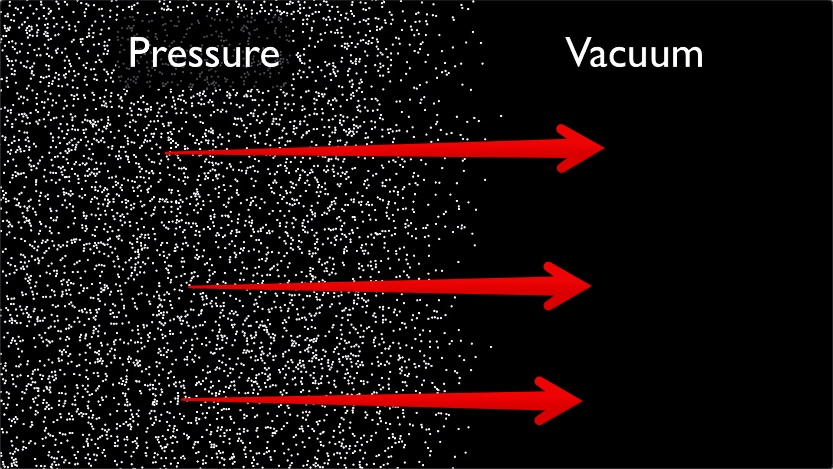
Vacuum

(Last edited: Monday, 2 October 2023, 7:28 PM)

Image:

Image: Source: https://www.metabunk.org/attachments/metabunk-2018-10-31-08-37-23-jpg.34929/

Image: Source: https://www.metabunk.org/attachments/metabunk-2018-10-31-08-37-23-jpg.34929/

Short Definition:

A vacuum is a space in which there is no matter such as gas or particles. It is found in space or can be generated by machines.

Detailed Definition:

Space that does not contain any gas inside its boundaries. However, it is also required that there is not any matter in general in either state such as gas, liquid, or solid, among other complex definition states. Even though the vacuum is found naturally in space, it is used on earth for different machines such as vacuum pumps, and vacuum chambers, among others.

Etymology:

Vacum comes from the latin Vacuus, which means empty.

Sample Sentence(s):

Life cannot be found or developed in the vacuum of space.

The dead body astronaut rambled in the vacuum of space.

Translations of Terms/Concepts into Partner Languages

French: vide

German: Vakuum

Polish: próżnia

Swedish: svenska

Links to Videos/Articles:

https://www.researchgate.net/publication/365382138_A_Review_of_Research_on_the_Vacuum_Plume

DOI: 10.3390/aerospace9110706

https://www.youtube.com/watch?v=E43-CfukEgs&ab_channel=BBC

» Dictionary of Space Concepts

Tags:
  • matter
  • Empty
  • Gas
◄ Site announcements
You are not logged in. (Log in)
Powered by Moodle
UNIVERSEH is an alliance of:
Université de Toulouse logo AGH logo UDUS logo LTU logo Uni.lu logo UNamur logo Tor Vergata logo

Co-funded by European Union

© Copyright UNIVERSEH 2026

Privacy notice information


All rights reserved. Funded by the European Union. Views and opinions expressed are however those of the author(s) only and do not necessarily reflect those of the European Union or the European Education and Culture Executive Agency (EACEA). Neither the European Union nor the granting authority can be held responsible for them.