UNIVERSEH
  • Home
  • Get support
  • More
English ‎(en)‎
Deutsch ‎(de)‎ English ‎(en)‎ Français ‎(fr)‎ Italiano ‎(it)‎ Lëtzebuergesch ‎(lb)‎ Polski ‎(pl)‎ Svenska ‎(sv)‎
Log in
UNIVERSEH
Home
Get support
  1. Site pages
  2. Dictionary of Space Concepts

Dictionary of Space Concepts

Back

Spacecraft

(Last edited: Monday, 2 October 2023, 6:18 PM)
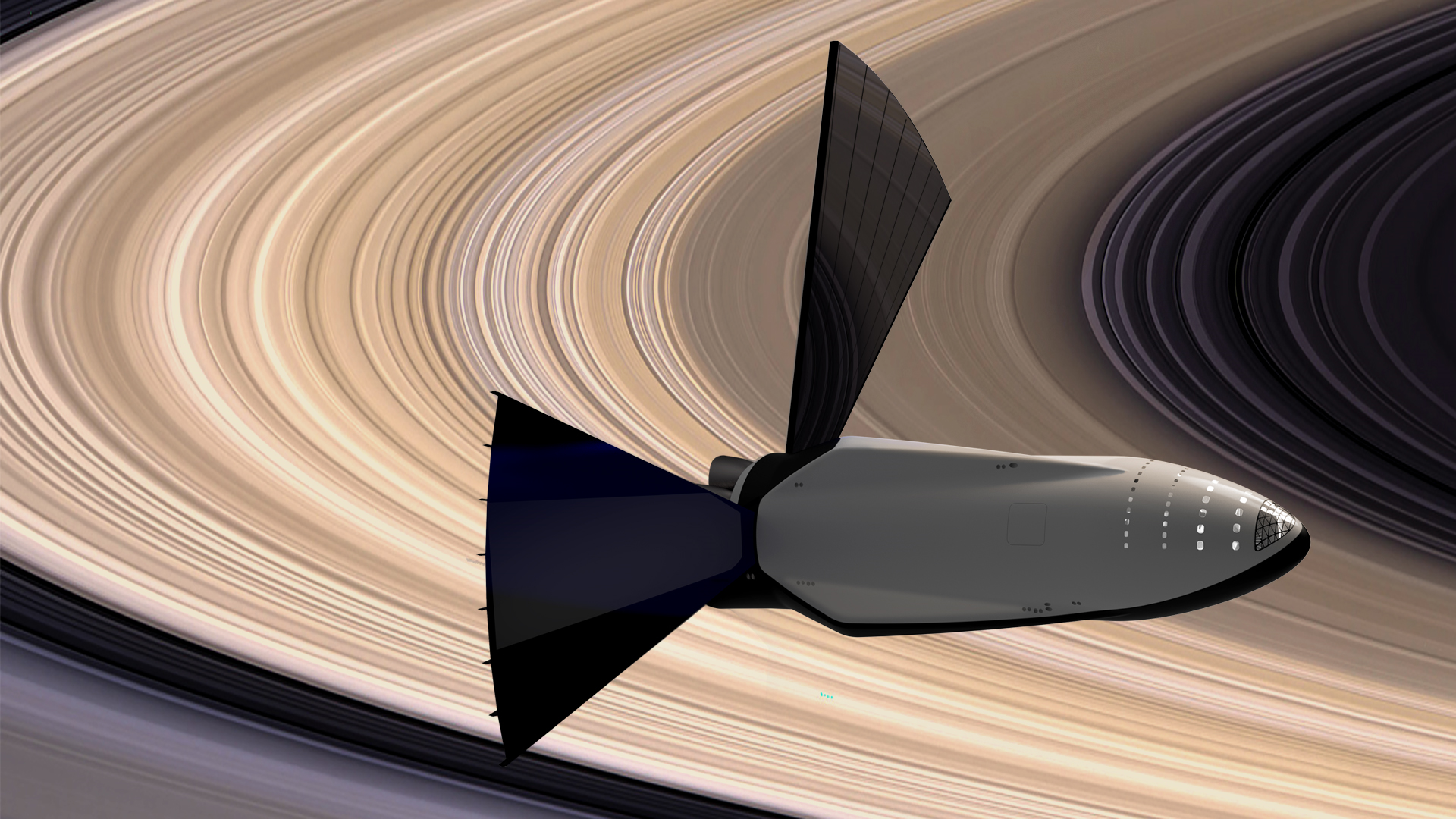
Source: SpaceX (2016, September 25). SpaceX's proposed Interplanetary Spaceship, at Saturn.. wikimedia commons. https://commons.wikimedia.org/w/index.php?curid=51812109

Source: SpaceX (2016, September 25). SpaceX's proposed Interplanetary Spaceship, at Saturn.. wikimedia commons. https://commons.wikimedia.org/w/index.php?curid=51812109

Definition:

Vehicle, machine or other apparatus designed to fly or orbit outside the Earth’s atmosphere, i.e. above the Kármán line of 100 km.

Etymology:

Closed compound noun, consisting of ‘space’ and ‘craft’

Translations:

  • English: spacecraft (neutr.) – [ˈspeɪskɹɑːft]
  • French: véhicule spatial (fem.) – [ve.i.kyl spa.sjal]
  • German: Raumfahrzeug (neutr.) – [ˈʁaʊ̯mfaːɐ̯ˌt͡sɔɪ̯k]
  • Polish: statek kosmiczny (masc.) – [ˈstatɛk kɔsˈmit͡ʂ.nɨ]
  • Portuguese: espaçonave (fem.) – [es.ˌpa.so.ˈna.ve]
  • Russian: космический аппарат (masc.) – [kɐsˈmʲit͡ɕɪskʲɪj ɐpɐˈrat]
  • Swedish:

Note: the Russian translation has a slightly different meaning as it includes devices operating in atmospheres and on surfaces of other celestial bodies.

» Dictionary of Space Concepts

Tags:
  • space
  • satellite
  • airplane
  • Kármán Line
  • space graveyard
  • atmosphere
◄ Site announcements
You are not logged in. (Log in)
Powered by Moodle
UNIVERSEH is an alliance of:
Université de Toulouse logo AGH logo UDUS logo LTU logo Uni.lu logo UNamur logo Tor Vergata logo

Co-funded by European Union

© Copyright UNIVERSEH 2026

Privacy notice information


All rights reserved. Funded by the European Union. Views and opinions expressed are however those of the author(s) only and do not necessarily reflect those of the European Union or the European Education and Culture Executive Agency (EACEA). Neither the European Union nor the granting authority can be held responsible for them.