UNIVERSEH
  • Home
  • Get support
  • More
English ‎(en)‎
Deutsch ‎(de)‎ English ‎(en)‎ Français ‎(fr)‎ Italiano ‎(it)‎ Lëtzebuergesch ‎(lb)‎ Polski ‎(pl)‎ Svenska ‎(sv)‎
Log in
UNIVERSEH
Home
Get support
  1. Site pages
  2. Dictionary of Space Concepts

Dictionary of Space Concepts

Back

Moon

(Last edited: Saturday, 30 September 2023, 10:54 PM)
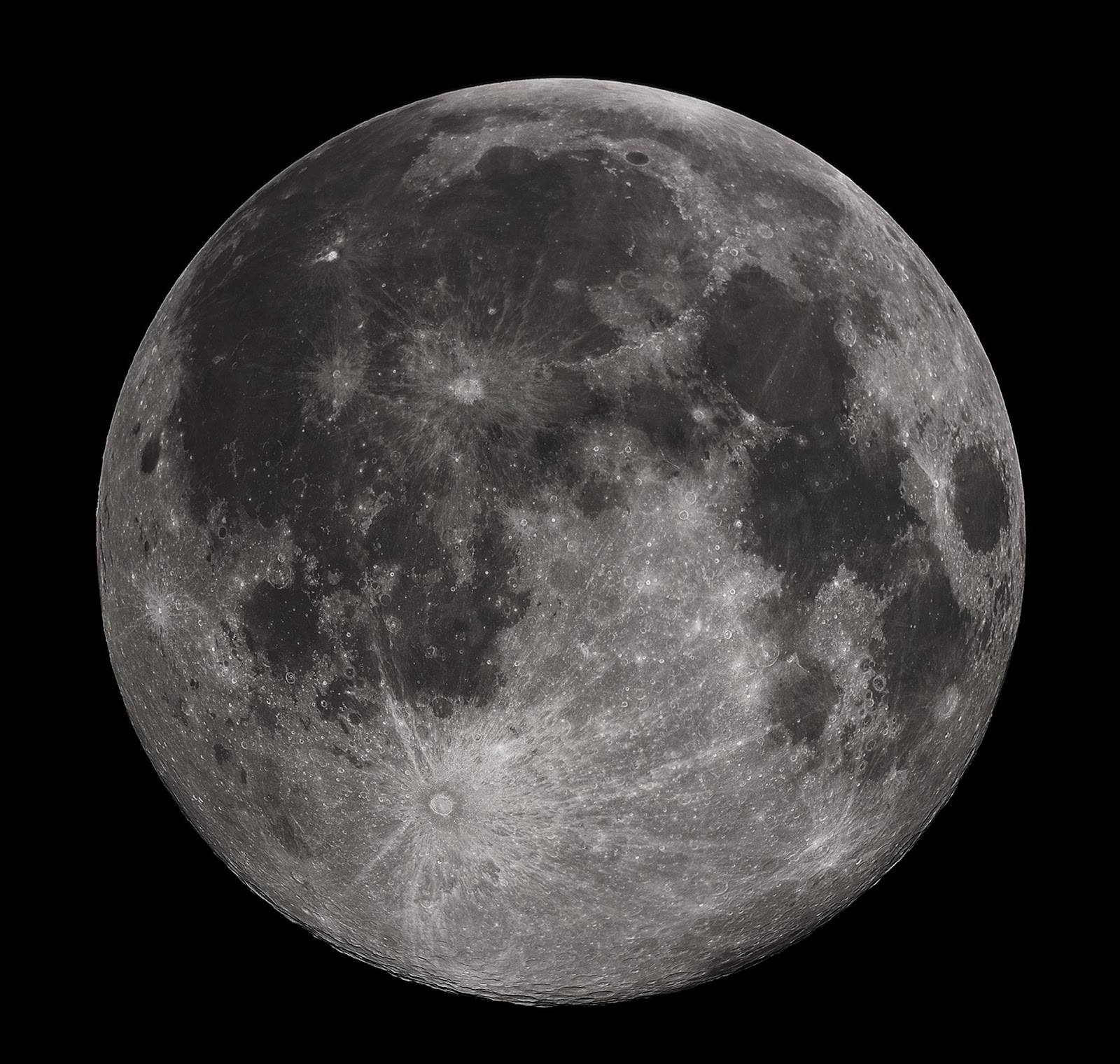
Full moon Source: https://commons.wikimedia.org/wiki/File:FullMoon2010.jpg 25 Nov. 2021 Natural satellites Source : https://en.wikipedia.org/wiki/Natural_satellite#/media/File:Moons_of_solar_system_v7.jpg 25 Nov. 2021

Full moon Source: https://commons.wikimedia.org/wiki/File:FullMoon2010.jpg 25 Nov. 2021 Natural satellites Source : https://en.wikipedia.org/wiki/Natural_satellite#/media/File:Moons_of_solar_system_v7.jpg 25 Nov. 2021


Definition

The Moon (Luna, Selene, Cynthia) as Earth’s only natural satellite; moons as natural satellites


Etymology:

From Proto-Indo-European “mēnsis” meaning “month" -> Proto-Germanic “mēnōn” -> Old English “mōna”


Translations:
  • French: lune (f) [lyn]
  • German: Mond (m) [moːnt]
  • Polish: Księżyc [‘kɕɛw̃ʒɨt͡s]
  • Portuguese: lua (f) [‘lua]
  • Swedish: måne [ˈmoːˌnɛ]

Links to videos/articles:

» Dictionary of Space Concepts

Tags:
  • planet
  • satellite
  • star
  • Earth
  • surface
◄ Site announcements
You are not logged in. (Log in)
Powered by Moodle
UNIVERSEH is an alliance of:
Université de Toulouse logo AGH logo UDUS logo LTU logo Uni.lu logo UNamur logo Tor Vergata logo

Co-funded by European Union

© Copyright UNIVERSEH 2026

Privacy notice information


All rights reserved. Funded by the European Union. Views and opinions expressed are however those of the author(s) only and do not necessarily reflect those of the European Union or the European Education and Culture Executive Agency (EACEA). Neither the European Union nor the granting authority can be held responsible for them.