UNIVERSEH
  • Home
  • Get support
  • More
English ‎(en)‎
Deutsch ‎(de)‎ English ‎(en)‎ Français ‎(fr)‎ Italiano ‎(it)‎ Lëtzebuergesch ‎(lb)‎ Polski ‎(pl)‎ Svenska ‎(sv)‎
Log in
UNIVERSEH
Home
Get support
  1. Site pages
  2. Dictionary of Space Concepts

Dictionary of Space Concepts

Back

Aerolite

(Last edited: Friday, 1 September 2023, 12:30 PM)

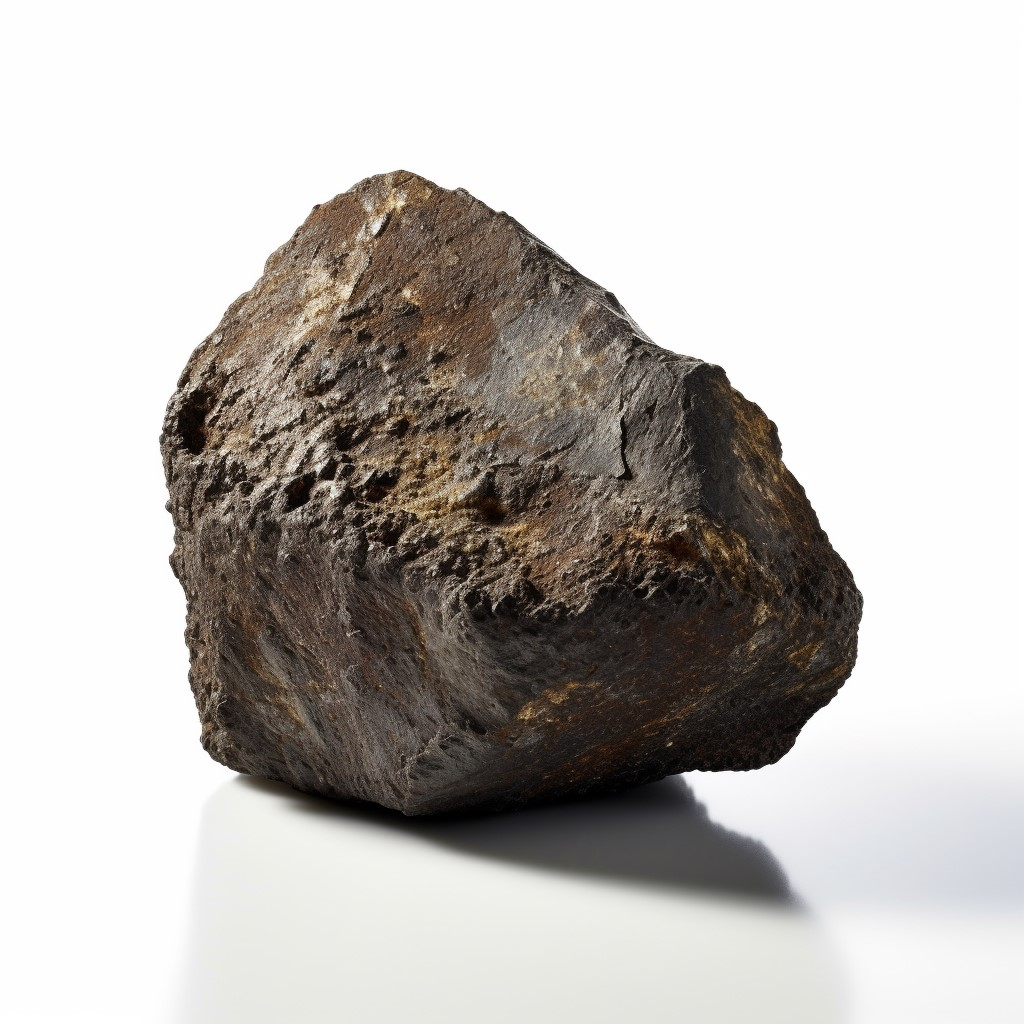
Source: Midjourney (2023, May 31). AI image of an aerolite meteorite. midjourney. midjourney.com

Source: Midjourney (2023, May 31). AI image of an aerolite meteorite. midjourney. midjourney.com

Short definition: 

An Aerolite is a stony meteorite that comes from the asteroid belt.

Detailed Definition:

In astronomy, an aerolite is a type of meteorite that is composed primarily of rock and minerals. They are believed to originate from the asteroid belt, a region between Mars and Jupiter where many small bodies orbit the Sun. Aerolites are formed from the debris of collisions between asteroids and are made up of a variety of minerals, including silicates and oxides. They are different from iron meteorites, which are composed primarily of iron and nickel.

Etymology:

aero - air+‎ -lite - (used to from names of rocks and minerals)

Sample Sentence(s):

"The museum's collection includes a small aerolite from the asteroid belt."

"The aerolite that landed in the farmer's field was later determined to be a piece of the asteroid Vesta."

"Many scientists study aerolites to learn more about the composition of the early solar system."

Translations:

French:

aérolithe

German:

Steinmeteorit

Polish:

aerolit

Links to videos/articles:

https://www.britannica.com/science/stony-meteorite


» Dictionary of Space Concepts

Tags:
  • astronomical body
  • asteroid belt
  • meteorite
◄ Site announcements
You are not logged in. (Log in)
Powered by Moodle
UNIVERSEH is an alliance of:
Université de Toulouse logo AGH logo UDUS logo LTU logo Uni.lu logo UNamur logo Tor Vergata logo

Co-funded by European Union

© Copyright UNIVERSEH 2026

Privacy notice information


All rights reserved. Funded by the European Union. Views and opinions expressed are however those of the author(s) only and do not necessarily reflect those of the European Union or the European Education and Culture Executive Agency (EACEA). Neither the European Union nor the granting authority can be held responsible for them.