
Dictionary of Space Concepts
What is the Dictionary of Space Concepts?
The Dictionary of Space Concepts (DSC) is a project by UNIVERSEH – the European Space University of Earth and Humanity. Starting in 2020, this Alliance of five European Universities decided to launch an online dictionary dealing with terms and concepts related to space sciences. It should be created and used by students, lecturers, researchers and citizens alike.
After an initial planning phase, the DSC was published in spring 2022. It opens up several opportunities for all members of the UNIVERSEH Alliance and interested citizens to contribute to the content of the DSC.
In our course "Terms and Concepts of Space" (to the registration) , students learn how to write a dictionary article and later on contribute several entries to the DSC. Students and other members of the UNIVERSEH Alliance can also submit articles for the DSC via an entry in here . Interested citizens can contribute in this entry platform.
Once submitted, these articles are reviewed by UNIVERSEH Alliance staff and, if necessary, edited before their publication in the Dictionary.
In this way, the DSC is a dynamic project that is constantly expanding in content and quality through constant contributions from students, staff and citizens.
Vacuum | |
|---|---|
Image:
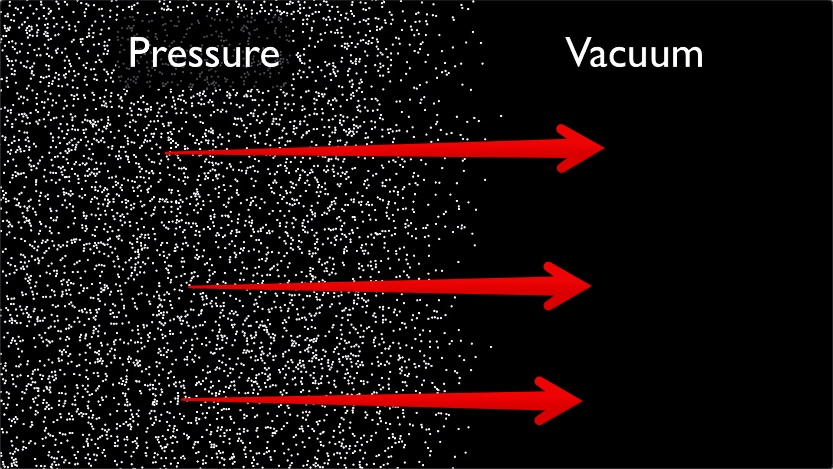 Image: Source: https://www.metabunk.org/attachments/metabunk-2018-10-31-08-37-23-jpg.34929/ Short Definition: A vacuum is a space in which there is no matter such as gas or particles. It is found in space or can be generated by machines. Detailed Definition: Space that does not contain any gas inside its boundaries. However, it is also required that there is not any matter in general in either state such as gas, liquid, or solid, among other complex definition states. Even though the vacuum is found naturally in space, it is used on earth for different machines such as vacuum pumps, and vacuum chambers, among others. Etymology: Vacum comes from the latin Vacuus, which means empty. Sample Sentence(s): Life cannot be found or developed in the vacuum of space. The dead body astronaut rambled in the vacuum of space. Translations of Terms/Concepts into Partner Languages French: vide German: Vakuum Polish: próżnia Swedish: svenska Links to Videos/Articles: https://www.researchgate.net/publication/365382138_A_Review_of_Research_on_the_Vacuum_Plume DOI: 10.3390/aerospace9110706 https://www.youtube.com/watch?v=E43-CfukEgs&ab_channel=BBC | |
Valentina Tereshkova | |
|---|---|
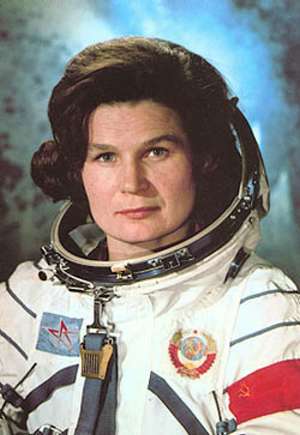
Illustration: http://www.astronaut.ru/as_rusia/lady62/foto/tereshkova02.jpg Definition:The first female cosmonaut, the 10th person in the world to be sent into space. Valentina Tereshkova flew into space alone aboard Vostok-6 on June 16, 1963. The duration of the flight amounted to 2 days, 22 hours and 50 minutes, during which the spacecraft orbited the Earth 48 times. Valentina Tereshkova was born in 1937 in the village of Bolshoye Maslennikovo in Yaroslavl Oblast, USSR. In 1960, she graduated from Yaroslavl Light Industry Training School as a cotton spinning technician, and in 1969 received a qualification from Zhukovsky Air Force Engineering Academy as a pilot, cosmonaut and engineer. She enjoyed parachuting, which later turned out to be one of the criteria for cosmonaut selection. Following the spaceflight, she worked as a cosmonaut instructor until reaching mandatory retirement age in 1997. Later she continued working as a politician, which she had already been doing since 1966. Her daughter Elena is said to be the first child in the world whose parents are both cosmonauts. Translation:
Links to Videos/Articles:http://www.astronaut.ru/crossroad/010.htm https://ru.wikipedia.org/wiki/Терешкова,_Валентина_Владимировна
| |
Venus | |
|---|---|
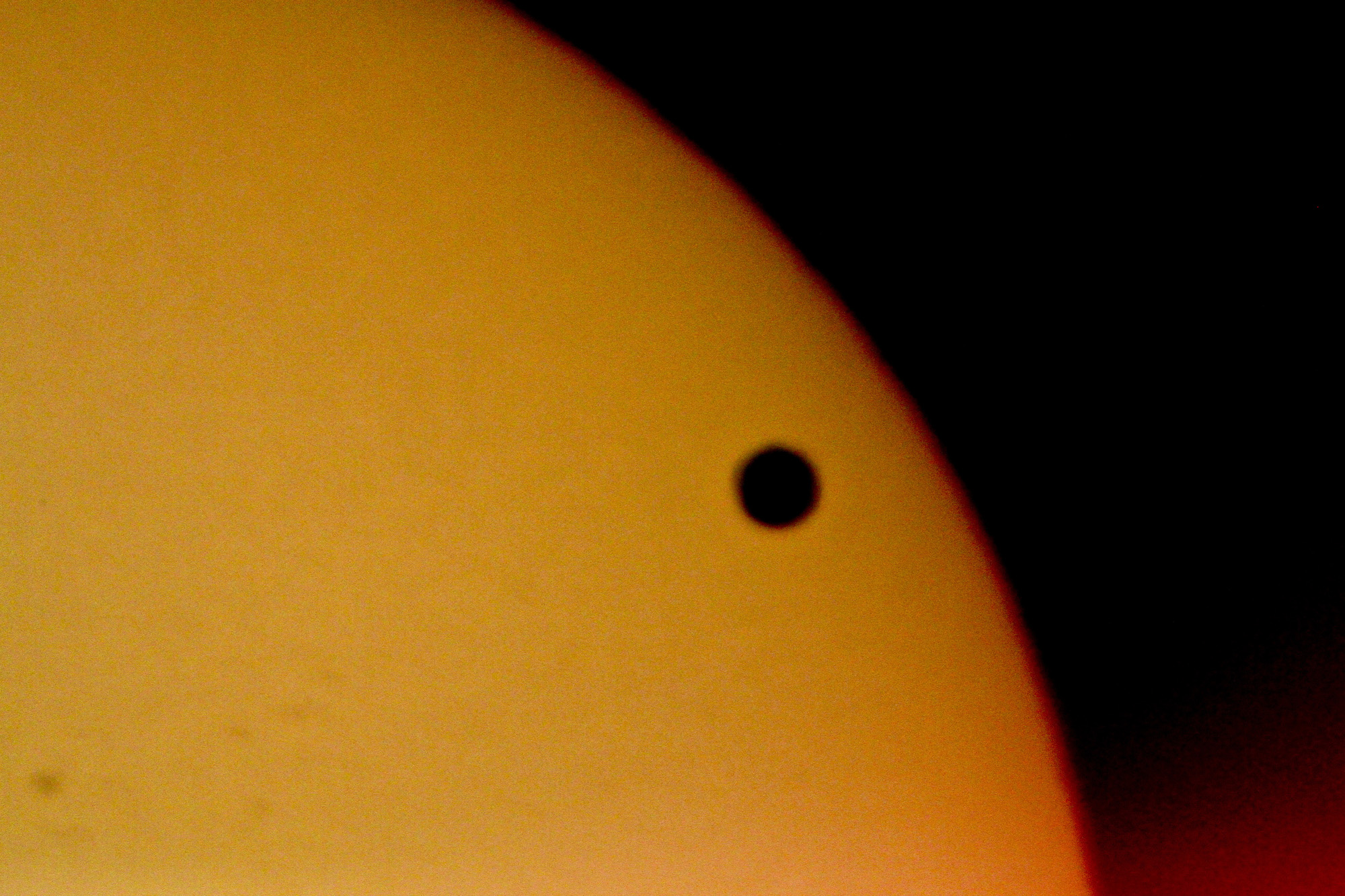 Source: Hecht, M. (2012, June 5). Venus Transit. flickr. https://www.flickr.com/photos/76858203@N04/23105554654 Definition:Venus is the planet with the second closest orbit to the Sun. Venus is our inner neighbor in space in the Solar System. It is a celestial body located just 40 million kilometers far from the Earth. Venus resembles the earth in the main parameters: size, mass, density and internal structure almost match. Etymology:In Roman mythology (= ancient stories), the goddess (= female god) of beauty and love. Translations:
| |
Volcano | |
|---|---|
Image: 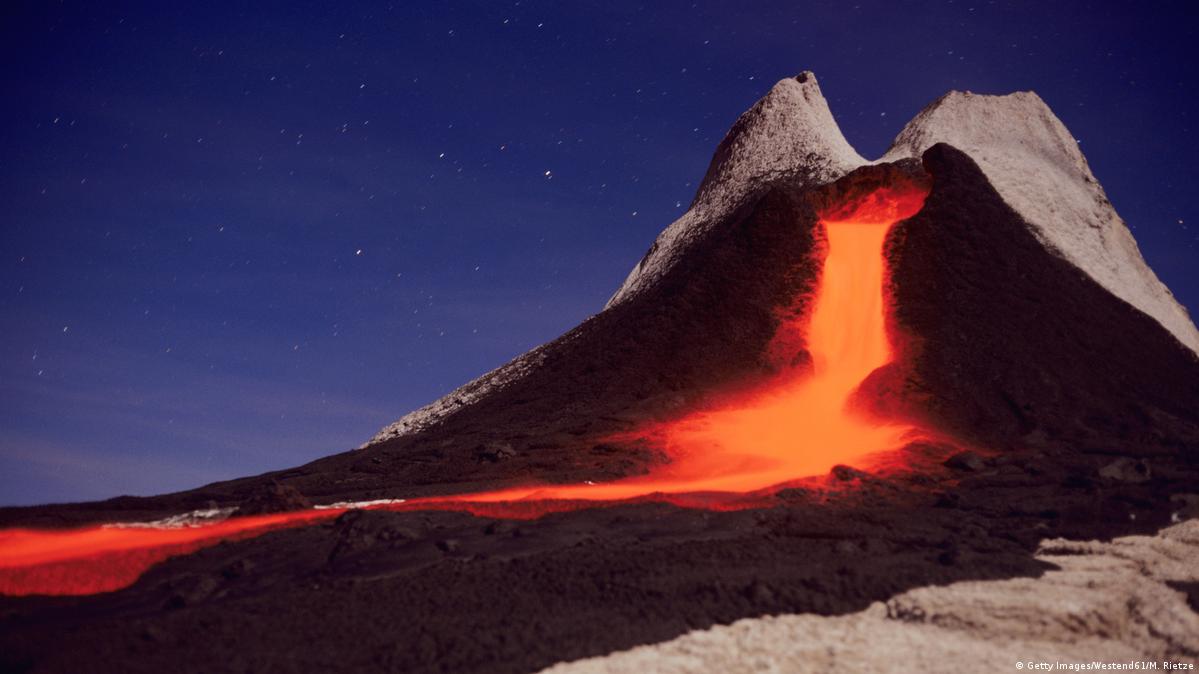 Image: Source: https://www.dw.com/en/volcanic-eruptions-can-cool-the-planet/a-40727123 Short Definition: A volcano is a hill or mountain with a hole where lava, rocks, or gas may be seen erupting from a planet or moon's interior. Detailed Definition: A crack in the earth's crust through which substances such as lava, steam, ashes, etc. are released continually or sporadically. Volcanoes are known to exist on the planets Mercury, Venus, Earth, the Moon, Mars, and the moon Io of Jupiter. Only two of these bodies currently have active volcanoes: Earth and Io. However, Venus or Europa, the moon of Jupiter, may have volcanoes erupting. Etymology: Volcano comes from the Latin Vulcanus, which is the name of the fire god. Sample Sentence(s): The volcano's lava was pouring down the mountainside. On the seabed of Jupiter's moon Europa, there has been volcanic activity. Translations of Terms/Concepts into Partner Languages French: volcan German: Vulkan Polish: wulkan Swedish: vulkan Links to Videos/Articles: https://earthobservatory.nasa.gov/topic/volcanoes https://chandra.harvard.edu/press/10_releases/press_081810.html | |